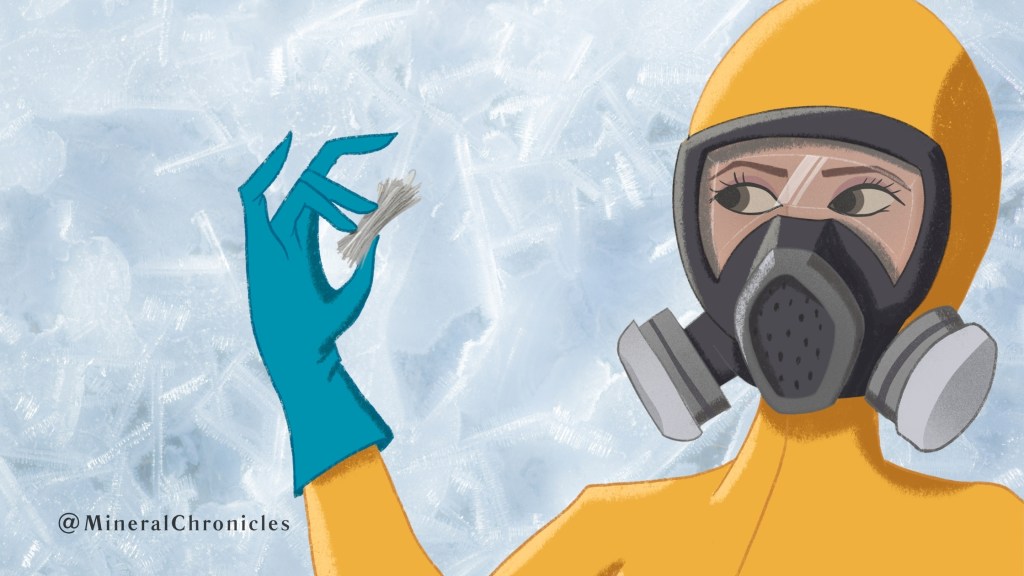
Some of the most beautiful minerals on Earth are also among the deadliest. Throughout history, minerals containing arsenic, lead, mercury, and radioactive elements were used in medicine, cosmetics, art, and industry long before their dangers were fully understood. Others became infamous as poisons capable of causing severe illness, organ failure, and death. This article explores 10 of the most poisonous minerals known to science, examining their toxicity, effects on the human body, and historical uses.
1. Uraninite: UO2

Uraninite, also known as Pitchblende, is a radioactive mineral and the principal uranium ore. It is typically black or dark brown in colour and has an exceptionally high density, making it one of the heaviest naturally occurring minerals.
Toxicity: Uraninite is highly radioactive and releases radon gas, which can accumulate in enclosed spaces. Inhalation of dust or gas over time can damage lungs, DNA, and bone marrow, increasing the risk of lung cancer, kidney disease, and skin cancer.
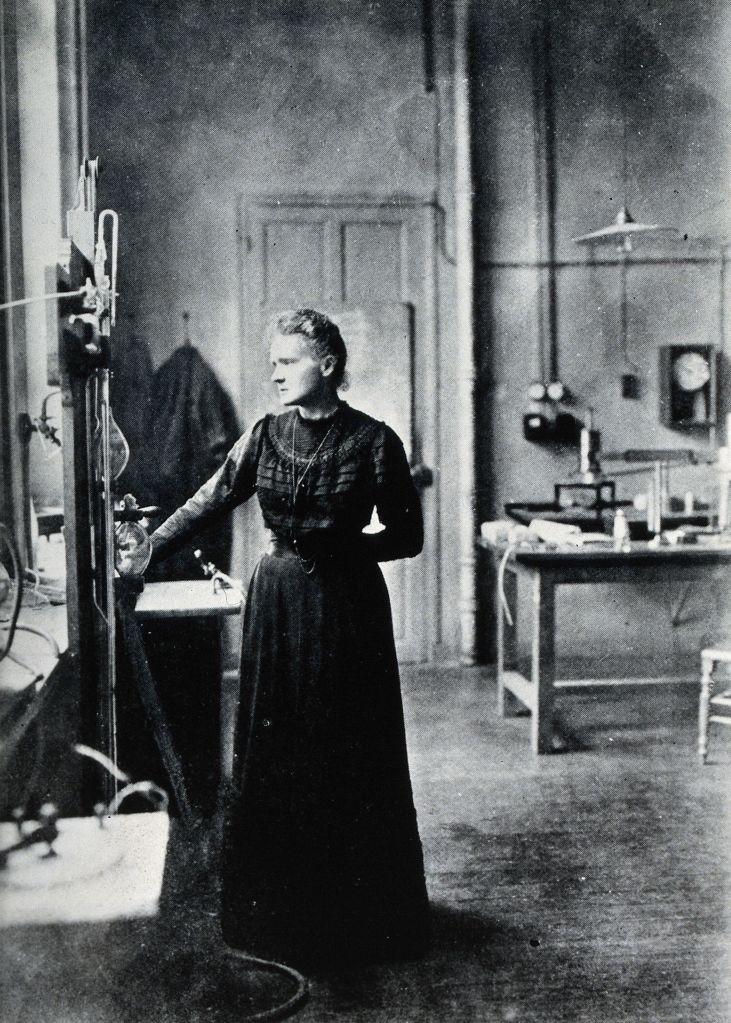
Historical Records: After a long and brilliant scientific career exposed to radioactive materials, including uraninite, Marie Curie died in 1934 from aplastic anaemia. The sickness, which was likely caused by prolonged radiation exposure, is a rare and serious condition in which the bone marrow fails to produce enough red blood cells, white blood cells, and platelets. The remains of Marie Curie were so radioactive that she is buried in a lead-lined coffin. Many of her belongings remain highly radioactive, with her lab notes kept in lead-lined boxes and viewed only under strict safety precautions.
2. Realgar: As4S4
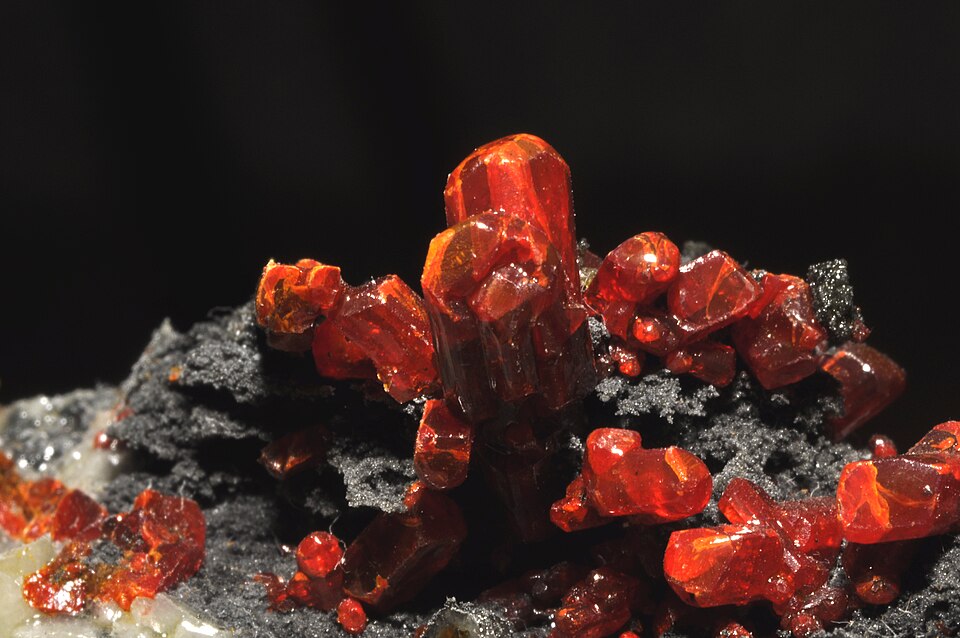
Realgar is a deep red arsenic sulphide mineral sometimes called “red arsenic.” The name “Realgar” comes from Arabic rahj al ghar = powder of the mine.
Toxicity: Realgar and is highly toxic due to its arsenic content. Prolonged exposure can result in skin lesions, nerve damage, organ failure, and death. The health hazards are suspected to be caused by arsenic that includes hypertension, bronchitis, black-foot, skin disease, lymphoma, and cancer in all parts of the body.
Historical Records: Realgar has been used for over 2,000 years in Asian traditions, particularly during the Dragon Boat Festival since around 300 BC. It was believed to ward off evil spirits and disease, leading to practices such as drinking “realgar wine” and applying it to children’s skin for protection.
3. Cerussite: PbCO3
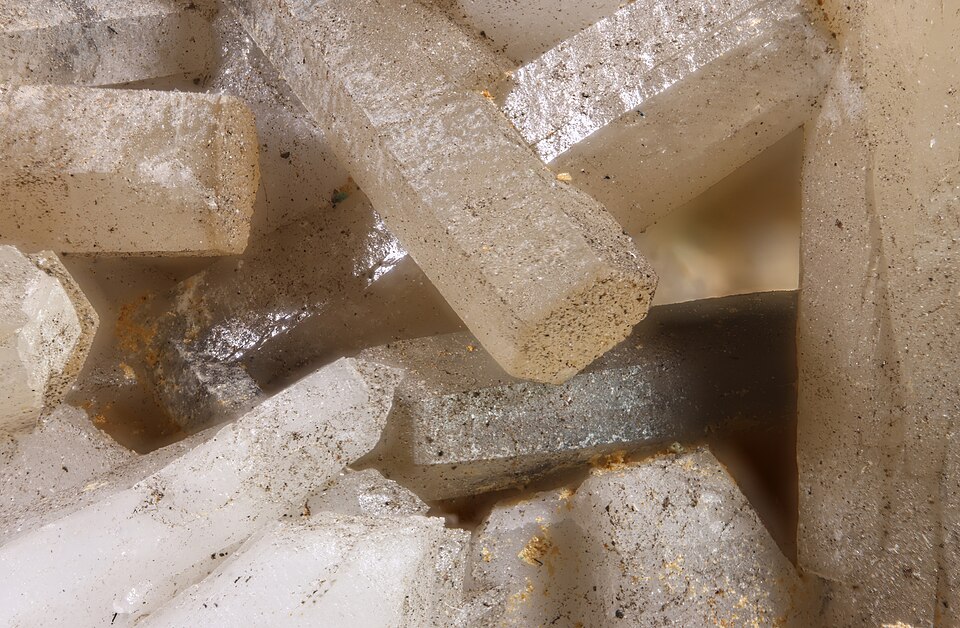

Cerussite, from the Latin “cerussa” meaning white lead pigment, is a lead carbonate and the secondary source of lead after galena. The mineral is generally colourless or white to grey and forms tabular or pyramidal crystals.
Toxicity: Cerussite is dangerous because its high lead content can poison the body when inhaled or ingested. Short-term exposure may cause severe brain swelling, seizures, coma, or even death, while long-term exposure leads to chronic lead poisoning, resulting in anaemia, abdominal pain (“painter’s colic”), fatigue, and neurological damage.
Historical Records: In the 16th century, cerussite was the primary ingredient in a popular cosmetic known as “Venetian Ceruse.” Used by the aristocracy to achieve a porcelain-white complexion, it was highly prized despite its corrosive effects on the skin. Queen Elizabeth I remains the most famous historical figure suspected of suffering the debilitating effects of chronic lead poisoning due to her lifelong use of the product.
4. Stibnite: Sb2S3
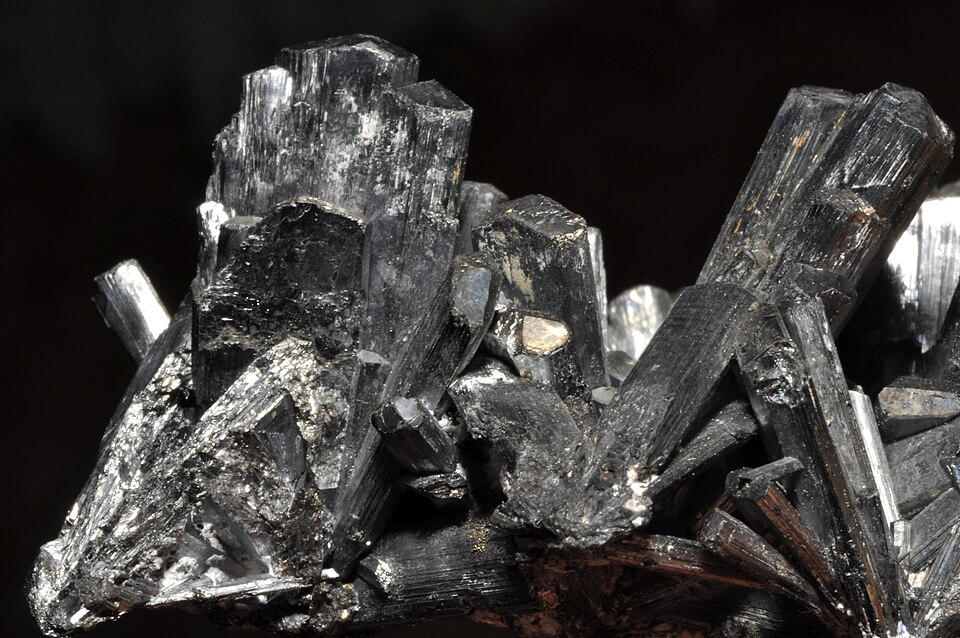
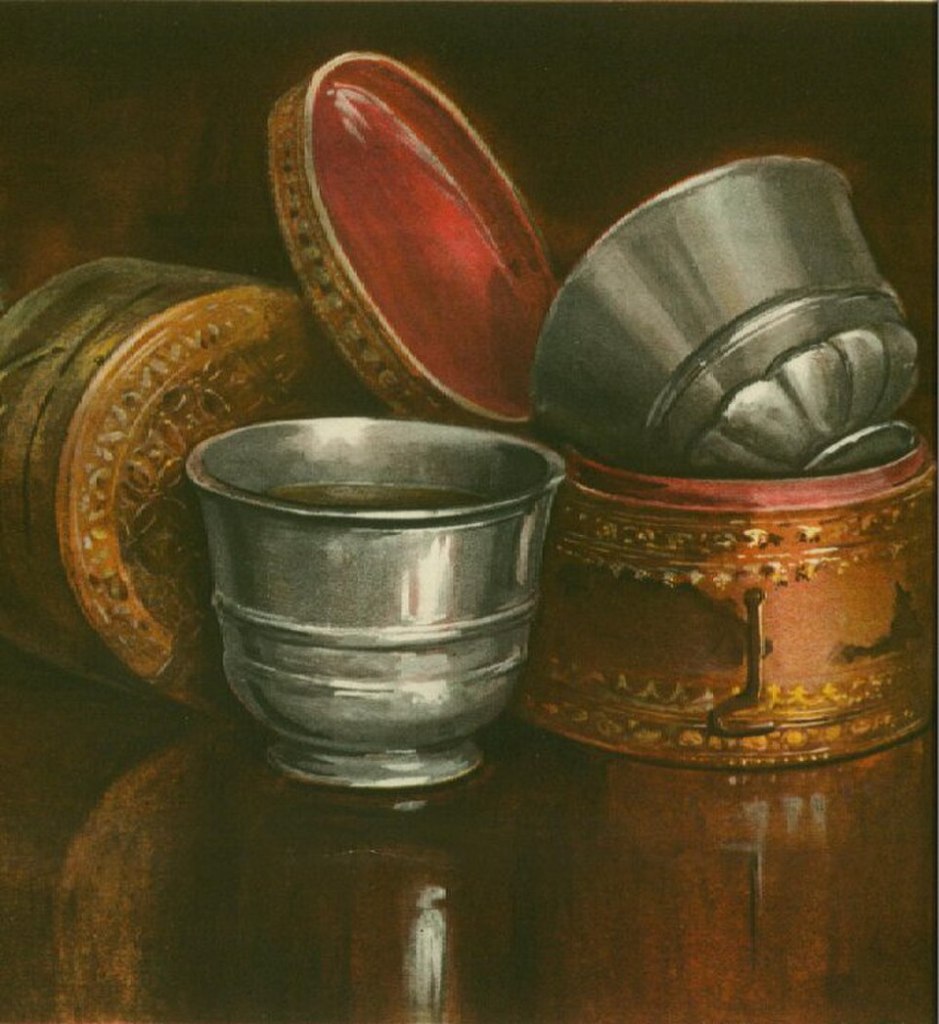
Stibnite is a metallic grey mineral composed of antimony sulphide. It forms long, needle-like crystals.
Toxicity: Antimony compounds can cause vomiting, diarrhea, cardiac irregularities, and organ damage when ingested or absorbed over time.
Historical Records: During the 17th and 18th centuries, stibnite, was used to produce antimony cups, small metal drinking vessels employed in European medicine. Wine left overnight in the cups reacted with the antimony metal to produce a substance that induced vomiting or purging. Physicians believed this process could cleanse the body of illness, although excessive use sometimes resulted in severe poisoning or death.
5. Lorándite: TlAsS2
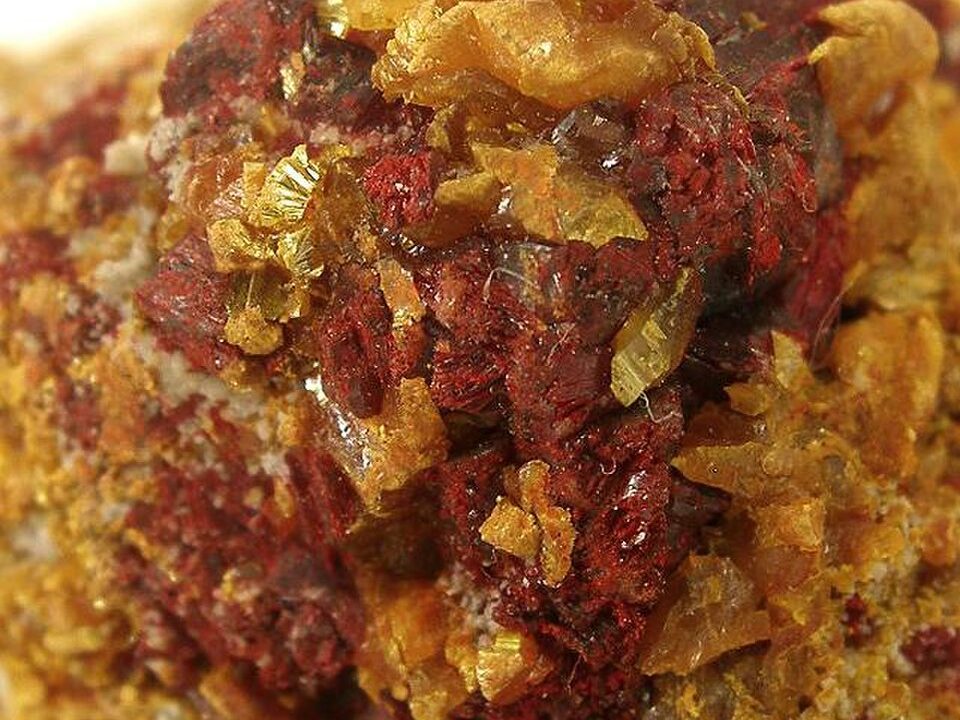
Lorándite is a rare red mineral containing thallium and arsenic.
Toxicity: The thallium in lorándite is extremely toxic and interferes with the nervous system. Ingestion or inhalation can cause severe gastrointestinal and neurological damage (vomiting, tremors, seizures, coma), often followed by hair loss and organ failure.
Historical Records: Thallium, the toxic element found in lorándite, became infamous during the 19th and 20th centuries as a covert poison and earned the nicknames “the poisoner’s poison”. Because its symptoms often resembled natural illness, it was frequently used in criminal poisonings before reliable detection methods were developed. One notable modern case involved Nelson Mandela, who reportedly suffered suspected thallium poisoning during his imprisonment in the 1980s.
6. Cinnabar: HgS
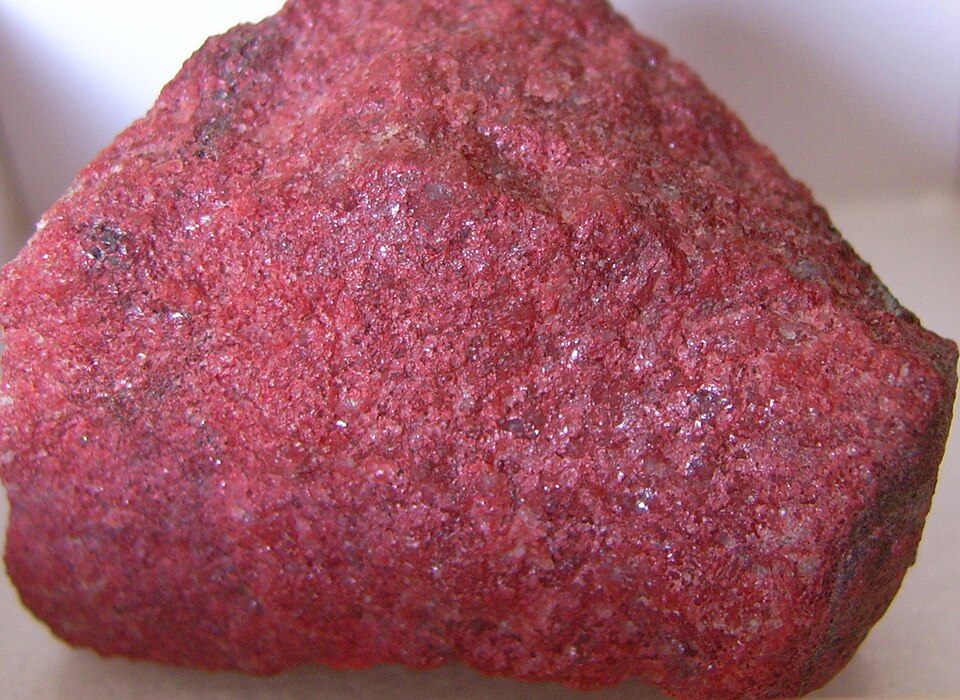
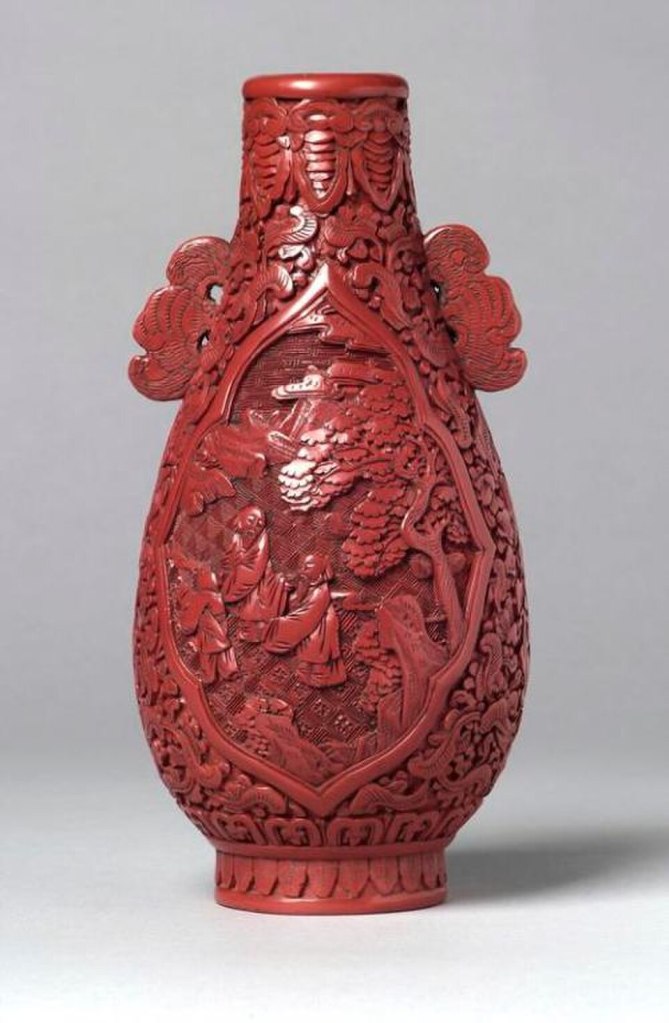
Cinnabar is a brilliant red mercury sulfide mineral and the main source of elemental mercury.
Toxicity: When heated or processed, cinnabar releases mercury vapor. Mercury damages the nervous system, causing tremors, memory loss, cognitive decline, and psychological disturbances. Organic mercury compounds such as methylmercury are especially dangerous and can cause irreversible neurological damage, particularly in children.
Historical Records: Lacquer workers, pigment makers, miners and artisans in ancient Rome, China, and later periods who suffered chronic mercury poisoning (tremors, neurological decline, death). Occupational groups (artists, miners) are the documented victims.
7. Orpiment: As2S3
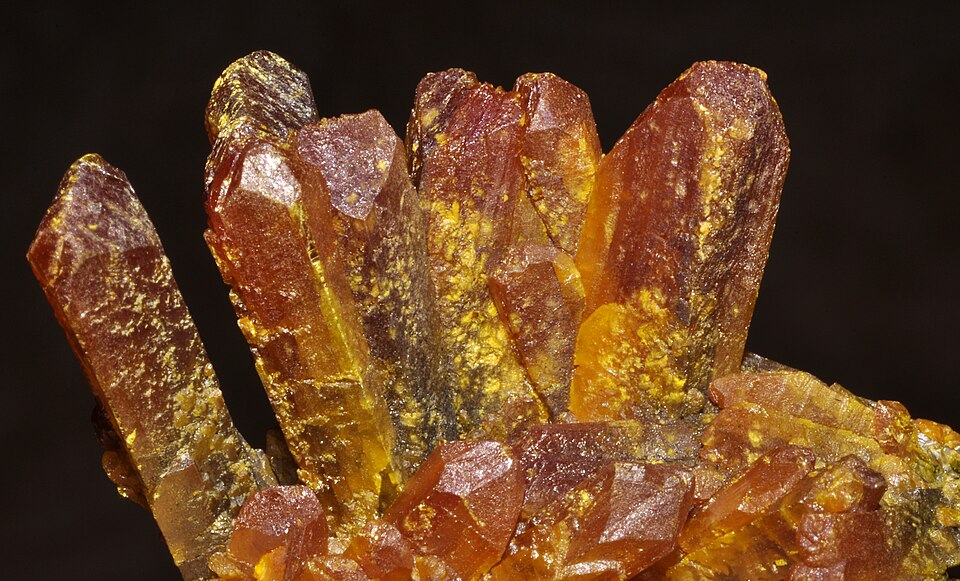
Often called “yellow arsenic,” orpiment is a bright yellow to orange arsenic sulphide mineral. It forms in soft, powdery masses or flexible sheet-like crystals and emits a faint garlic odour when heated.
Toxicity: Orpiment is a highly toxic mineral due to its arsenic content and can cause severe poisoning if inhaled or ingested. Symptoms may include nausea, vomiting, abdominal pain, diarrhoea, low blood pressure, respiratory distress, kidney injury, and systemic effects. In severe cases, untreated poisoning can result in death.
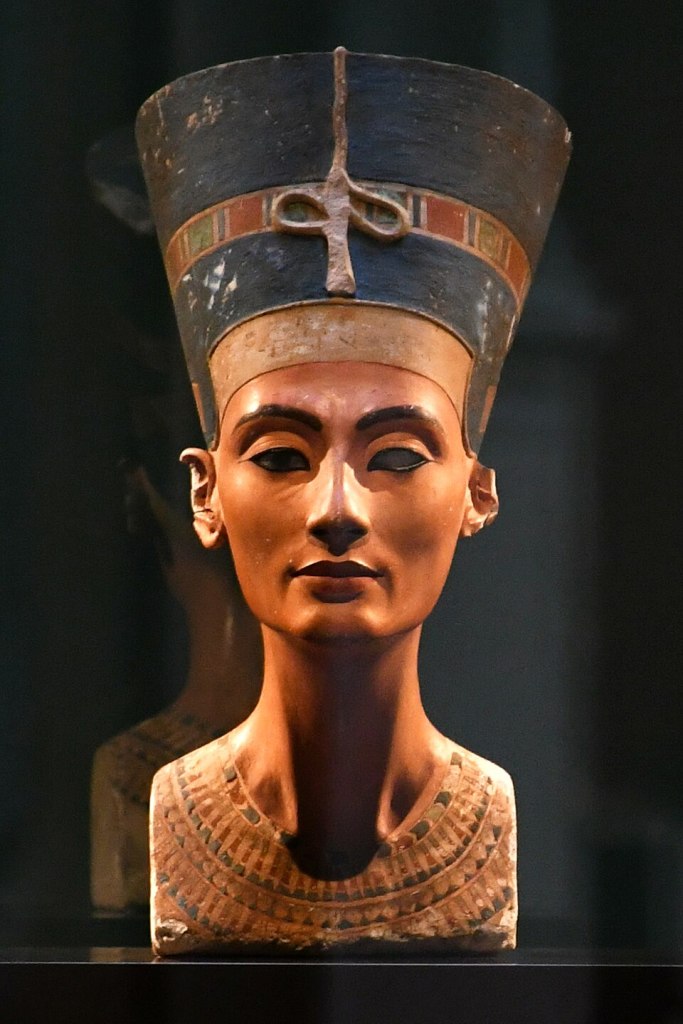
Historical Records: Orpiment has been used throughout history for various purposes. In Ancient Egypt, it was used as a pigment to decorate artwork including the famous bust of Nefertiti. In Chinese and Indian Ayurvedic medicine, it was employed according to the concept of “using a poison to combat another poison” or to treat malignant diseases. During the Renaissance, the vibrant yellow pigment was widely used in Venetian paintings.
8. Torbernite: Cu(UO2)2(PO4)2⋅8−12H2O
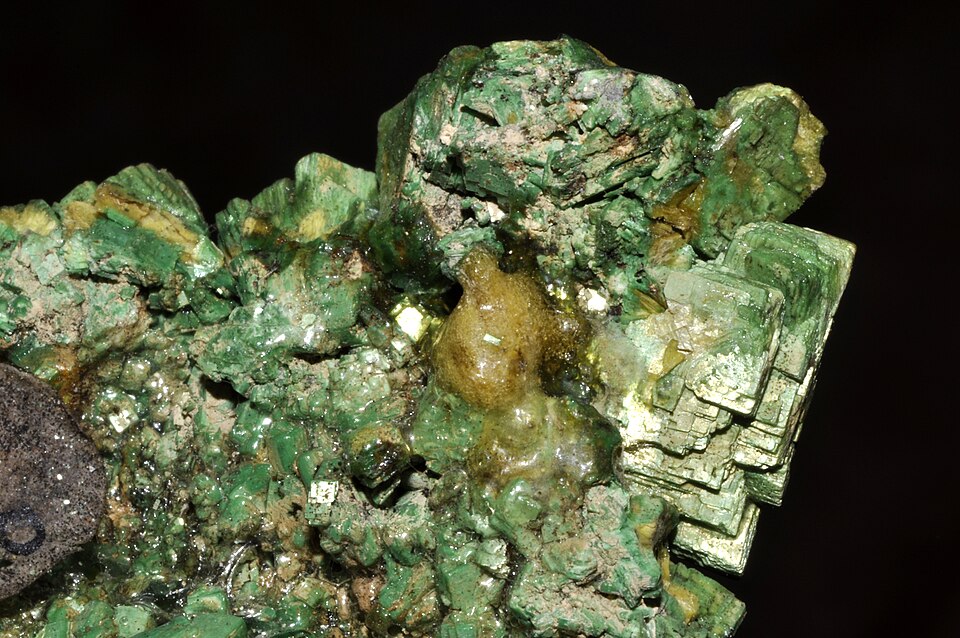

Torbernite is another uranium ore, with a characteristic emerald to dark green colour given by its copper content and can form beautiful tabular or pyramidal crystals. Despite its radioactivity, Torbernite is highly valued as a collector’s mineral.
Toxicity: Like uraninite, torbernite is radioactive and can release radon gas and fine uranium particles. Although its radiation is generally less intense, prolonged exposure, especially in enclosed or poorly ventilated areas, can damage lungs, DNA, and internal organs, and increase the risk of lung cancer and kidney disorders.
Historical Records: In 1780, the renowned mineralogist Abraham Gottlob Werner named the mineral “torbernite” in honour of Swedish chemist Torbern Olof Bergman. Together with autunite and pitchblende, torbernite helped early chemists identify uranium as a distinct element and later became important for radium extraction.
9. Galena: PbS
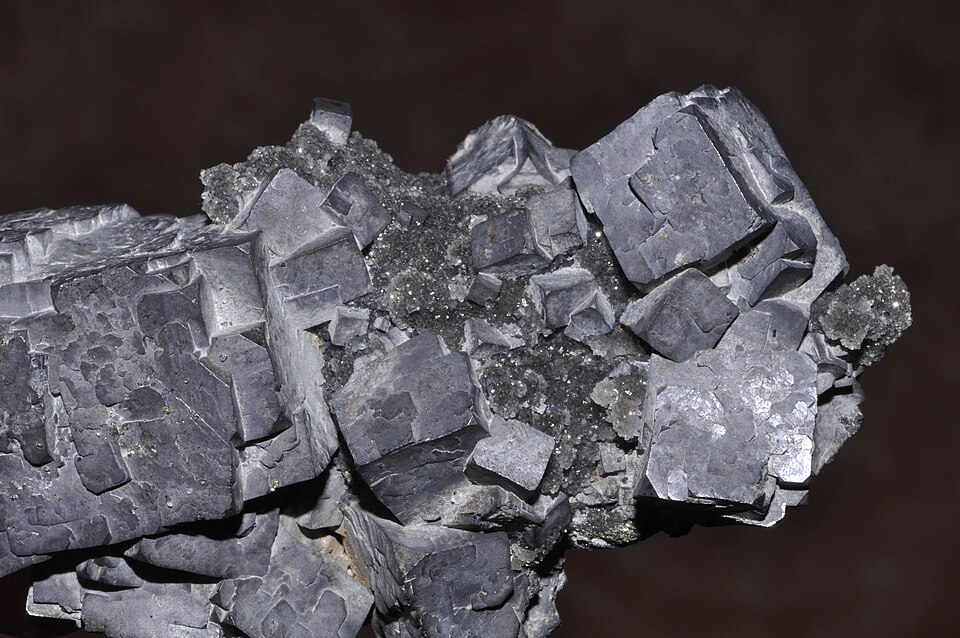
Galena is lead sulphide and the primary ore of lead. It has a bright metallic lustre and forms cubic crystals.
Toxicity: Lead is a powerful neurotoxin. Chronic exposure can cause neurological damage, infertility, kidney failure, anaemia, and developmental delays in children. Lead poisoning often develops slowly, making it particularly dangerous.
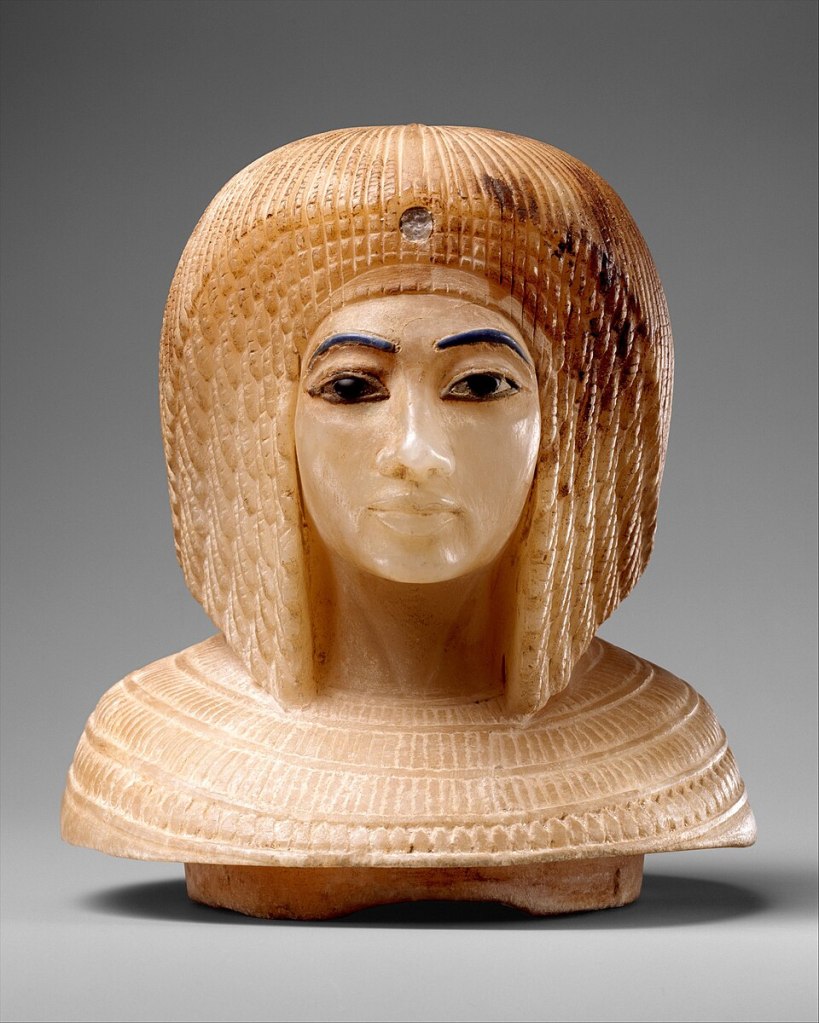
Historical Records: Galena has been used since Ancient Egypt to produce kohl, a cosmetic applied around the eyes for both beauty and protection. It remained widely used throughout antiquity in makeup and medicinal ointments, despite its high lead content.
10. Asbestos: Mg3Si2O5(OH)4
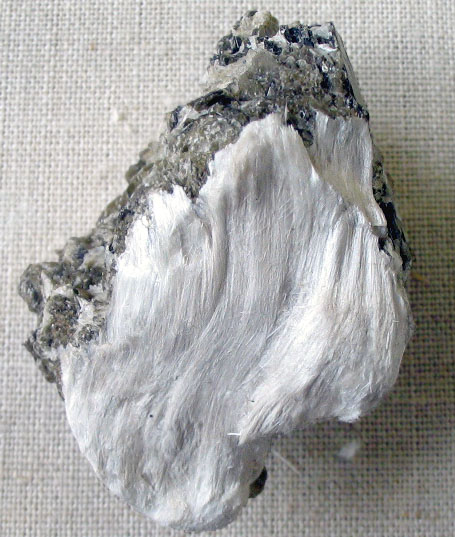

Asbestos is a group of naturally occurring silicate minerals characterized by a soft, cotton like fibrous texture and exceptional resistance to heat and fire. Known since Ancient Greece, it was used to produce flame resistant materials and textiles, yet it ultimately proved to be one of the most dangerous industrial substances ever widely used.
Toxicity: Asbestos is extremely hazardous because its microscopic fibers can be inhaled and permanently lodge in the lungs. Short term exposure may irritate the respiratory tract, while long term exposure can cause asbestosis, lung cancer, and mesothelioma, a rare and aggressive cancer.
Historical Records: The first medically documented death linked to asbestos exposure was that of Nellie Kershaw in 1924 in Rochdale, England. Employed at Turner Brothers Asbestos as a rover spinner, she worked daily with raw asbestos fibres and inhaled large amounts of dust. She died at just 33 years old from what was later identified as asbestosis, marking a turning point in the medical recognition of asbestos related disease.
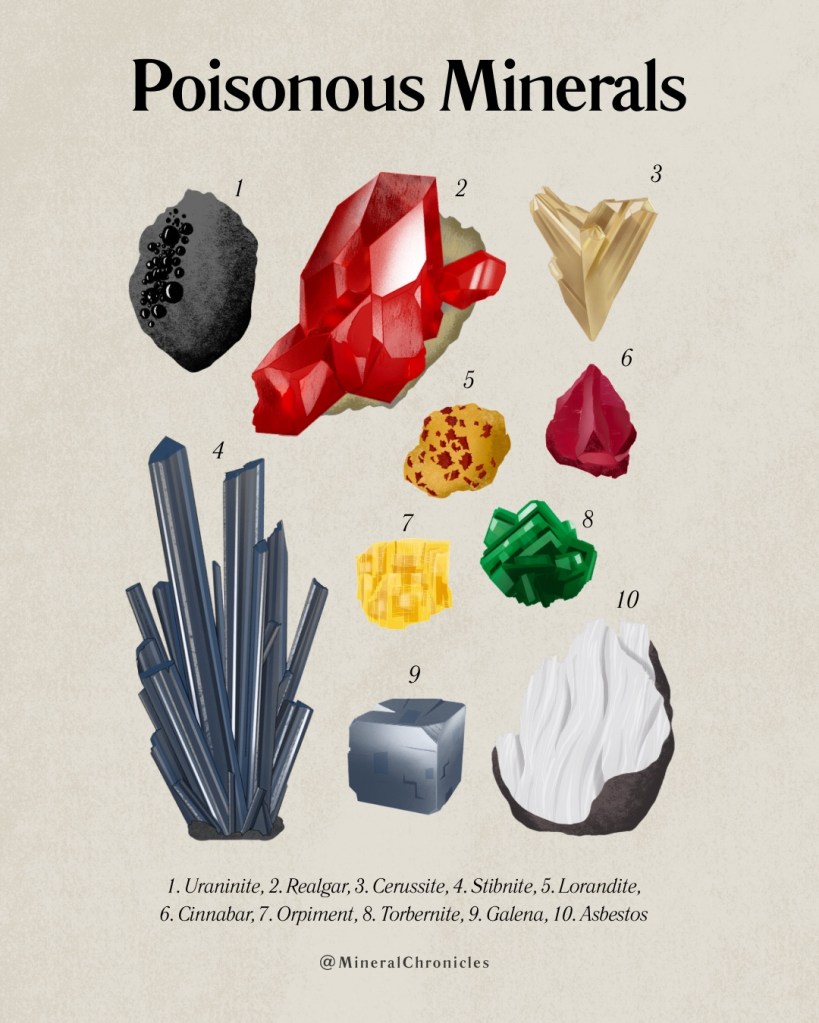
A Visual Summary
Throughout history, these 10 minerals have been both a valuable resource and a hidden danger. They gave us vibrant pigments and essential materials, but they also secretly claimed the lives of those who worked with them.
To conclude, I’ve created this vintage-style plate to bring all ten minerals together in one final image.
References
Haldar, S. K. (2020). Hazards of minerals—Rocks and sustainable development. In Introduction to Mineralogy and Petrology (2nd ed., pp. 377–410). Elsevier.
Image Credits: All images not otherwise credited are public domain. Drawings and infographic created by the author.


Leave a Reply